
Mental Toughness in Volleyball
5 min
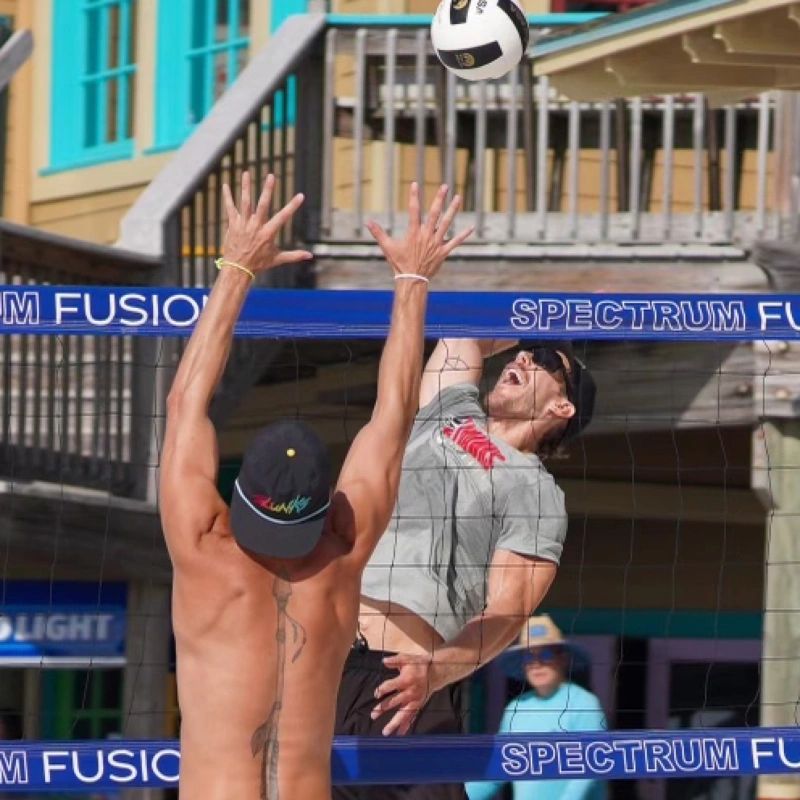
In the fast-paced world of volleyball, where split-second decisions and intense competition reign supreme, mental toughness is as crucial as physical skill. While players spend countless hours perfecting their serves, spikes, and digs, it's often the strength of their minds that sets champions apart from the rest.
Mental toughness in volleyball encompasses a variety of psychological attributes, including resilience, focus, confidence, and adaptability. These qualities enable players to maintain composure under pressure, bounce back from setbacks, and perform at their best when it matters most.
Here's how players can train their minds to achieve peak performance on the volleyball court:
Visualization Techniques
Visualization involves mentally rehearsing volleyball skills and scenarios in vivid detail. Players can visualize themselves executing perfect serves, making precise passes, or successfully blocking an opponent's spike. By repeatedly visualizing success, players build confidence and develop a sense of familiarity with desired outcomes.
Goal Setting
Setting specific, measurable, achievable, relevant, and time-bound (SMART) goals is essential for maintaining motivation and focus. Whether it's improving serving accuracy, increasing vertical jump height, or enhancing defensive skills, having clear goals provides players with direction and purpose in their training.
Positive Self-Talk
The way players talk to themselves internally can significantly impact their performance on the court. Encouraging self-talk involves replacing negative thoughts and self-doubt with positive affirmations and confidence-building statements. By cultivating a mindset of self-belief and resilience, players can overcome challenges and setbacks more effectively.
Mindfulness and Meditation
Practicing mindfulness and meditation can help volleyball players develop greater awareness of their thoughts, emotions, and physical sensations. By learning to stay present and focused in the moment, players can enhance their concentration, reduce performance anxiety, and improve decision-making on the court.
Embracing Pressure
In volleyball, as in any competitive sport, pressure is inevitable. Instead of viewing pressure as a burden, players can learn to embrace it as an opportunity to showcase their skills and rise to the occasion. Through simulated pressure situations in practice drills and mental rehearsal, players can develop the resilience and confidence to perform under high-pressure circumstances.
Learning from Failure
Mistakes and failures are an inevitable part of the game, but they also present valuable learning opportunities. Instead of dwelling on errors, players can adopt a growth mindset that views setbacks as stepping stones to improvement. By analyzing mistakes, identifying areas for development, and making adjustments, players can continuously evolve and refine their skills.
Building Team Cohesion
Mental toughness is not just an individual attribute but also a collective one. Teams that cultivate a supportive and resilient culture are better equipped to handle adversity and achieve success together. Building trust, communication, and camaraderie among teammates fosters a sense of unity and shared purpose on the court.
In conclusion, mental toughness is a cornerstone of peak performance in volleyball. By incorporating visualization techniques, goal setting, positive self-talk, mindfulness, pressure training, learning from failure, and fostering team cohesion, players can strengthen their mental resilience and elevate their game to new heights.
In the relentless pursuit of excellence, it's often the strength of the mind that makes the crucial difference between victory and defeat on the volleyball court.